By Zhangjiajie Private Guide Editorial Team · Updated
Key facts
Last verified:
- Mildest months
- April (23.4 °C high) and October (23.3 °C high)
- Wettest month (CMA normals)
- July, about 227 mm; rainfall figures differ between sources
- Busiest dates 2026
- 1–5 May and 1–7 October golden weeks
- Peak domestic season
- July–August school holidays
- Cloud seas
- Early morning after rain; spring and autumn most cited
- Ticket price by season
- Same all year since 1 January 2025
- 2027 holiday dates
- Not yet published by the State Council
When is the best time to visit Zhangjiajie?
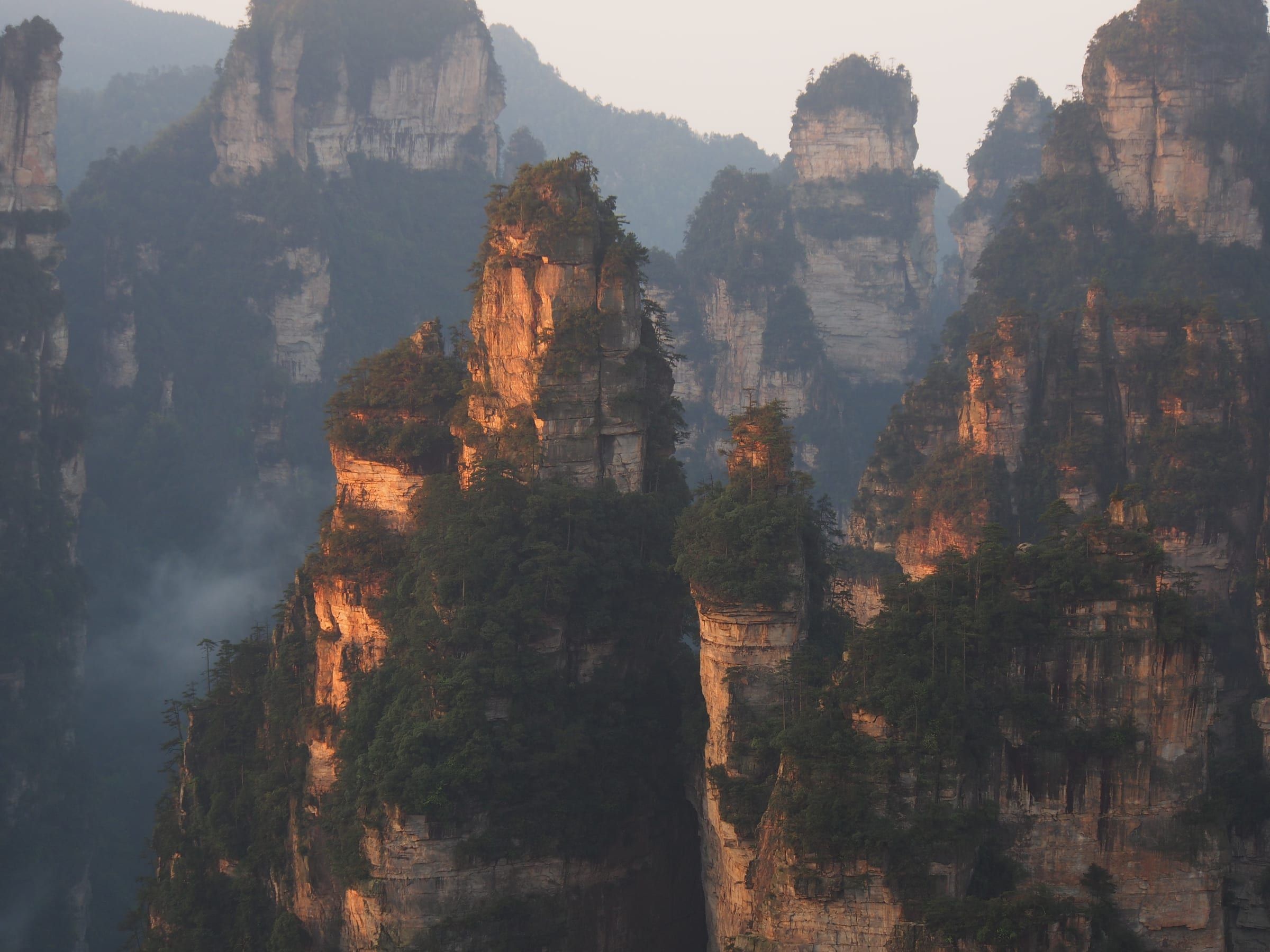
April to May and mid-October to mid-November give you the best mix of mild weather, frequent mist and manageable crowds. Both spring and autumn are cited as the seasons when cloud seas form most often, and city highs in April and October sit around 23 °C, which is comfortable for long days on the plateau trails.
The catch is that the most pleasant weeks overlap with China’s two biggest holiday periods. The Labour Day holiday in early May and the National Day golden week in early October fill the park to its daily cap, so the real sweet spots are late April, mid-to-late May and the weeks after 7 October.
If you are flexible, these three rules cover most of it:
- Pick spring or autumn for weather.
- Avoid Chinese holiday weeks and July–August for crowds.
- Add a spare day in any season, because fog can hide the pillars for a whole day.
What is each season like?
Each season changes three things: temperature, how often you get views, and how many people share the trails with you.
| Season | Feel | Views | Crowds | Good for |
|---|---|---|---|---|
| Spring (March–May) | Mild, warming fast; frequent showers | Cloud seas often reported after spring rain | Low in March, moderate in April, very high 1–5 May | Mist photography, comfortable hiking |
| Summer (June–August) | Hot and humid in the city, cooler on the peaks; heavy rain in June–July | Mist common but visibility often poor in June; clearer, sunnier August | Very high in July–August (school holidays) | Shady valley walks, caves, lakes |
| Autumn (September–November) | Warm September, mild October, cool November | Autumn cited as prone to cloud seas; clearer skies | Moderate, except an extreme 1–7 October | All-round sightseeing, autumn color in early November |
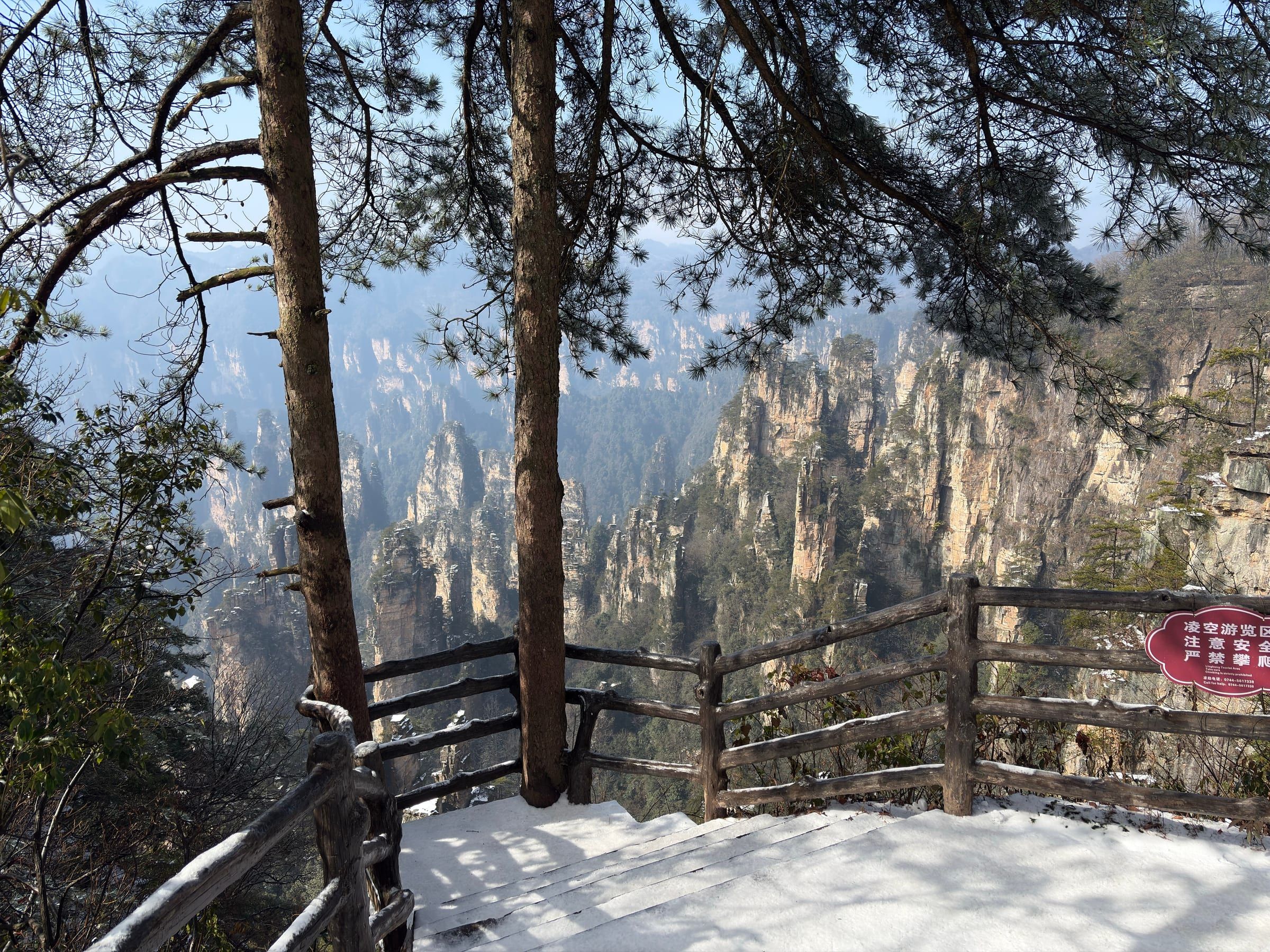
| Winter (December–February) | Cold, damp; snow some years, more on the mountains | Freezing fog and rime on the high peaks; occasional clouds after snow | Low, except New Year and Spring Festival | Quiet trails, winter scenery |
Remember that all published temperatures come from the city weather station at 219 m. The plateau viewpoints in Zhangjiajie National Forest Park sit far higher, and the Tianmen Mountain summit is about 5–8 °C cooler than the city.
What is the weather month by month?
Each month has its own page with temperatures in °C and °F, rainfall, crowds and what to pack. The averages below are China Meteorological Administration 1991–2020 normals for the city station. Rainfall varies a lot between sources, so treat the millimeter figures as approximate.
| Item | Avg high / low, rain |
|---|---|
| January | 9.5°C / 2.9°C avg high/low, 46.2 mm rain over 11.1 days |
| February | 12.2°C / 4.9°C avg high/low, 58.3 mm rain over 11.2 days |
| March | 17.0°C / 8.5°C avg high/low, 88.4 mm rain over 13.9 days |
| April | 23.4°C / 13.8°C avg high/low, 125.5 mm rain over 14.4 days |
| May | 27.4°C / 18.2°C avg high/low, 192.7 mm rain over 16.3 days |
| June | 30.5°C / 21.9°C avg high/low, 219.8 mm rain over 15.2 days |
| July | 33.5°C / 24.4°C avg high/low, 226.9 mm rain over 13.8 days |
| August | 33.6°C / 24.2°C avg high/low, 114.9 mm rain over 11.0 days |
| September | 29.4°C / 20.4°C avg high/low, 100.6 mm rain over 9.1 days |
| October | 23.3°C / 15.1°C avg high/low, 94.5 mm rain over 12.6 days |
| November | 17.9°C / 9.7°C avg high/low, 64.2 mm rain over 10.4 days |
| December | 12.2°C / 4.9°C avg high/low, 26.9 mm rain over 8.6 days |
Last verified November 1, 2026. Sources: en.wikipedia.org. Prices change — we re-check monthly and confirm current prices in your quote.
A one-line summary of each month, with a link to the full page:
- January — the coldest month and the most likely to bring snow; very quiet after the New Year holiday.
- February — still cold; Spring Festival makes part of the month very busy.
- March — warming, damp and quiet; cloudscapes start to appear after spring rain.
- April — mild and green, one of the best months; a short spike over Qingming.
- May — warm with the most rainy days of the year; avoid 1–5 May.
- June — hot and very wet; mist is common but views are often blocked.
- July — the hottest, wettest month by CMA normals and peak domestic season.
- August — just as hot but sunnier and drier; still peak crowds.
- September — warm, fewer rainy days, crowds ease outside the Mid-Autumn holiday.
- October — mild and often clear; extreme crowds 1–7 October, then much calmer.
- November — cool, with autumn color in the first half of the month.
- December — the driest month, cold and quiet.
There is also a single-page weather table for all twelve months.
Which Chinese holidays should I avoid?
Avoid the Labour Day holiday and the National Day golden week above all, and expect busier days around every other public holiday. These are the official 2026 dates from the State Council notice:
| 2026 holiday | Days off | Expect in Zhangjiajie |
|---|---|---|
| New Year | 1–3 January | Busy for three days, then quiet |
| Spring Festival | 15–23 February | Busy; many families travel |
| Qingming | 4–6 April | A short spike |
| Labour Day | 1–5 May | Very high crowds |
| Dragon Boat | 19–21 June | A short spike |
| Mid-Autumn | 25–27 September | A short spike |
| National Day | 1–7 October | The busiest week of the year |
On top of the holidays, July and August are peak domestic season because Chinese schools are on summer break.
What about 2027? The 2027 holiday schedule has not been published yet. China’s rules fix only the statutory days — for example 1–3 October for National Day and 1–2 May for Labour Day — and each year’s notice then shifts weekends to create the longer breaks. The festival dates themselves are known: Lunar New Year’s Day is 6 February 2027, Qingming 5 April, the Dragon Boat Festival 9 June and Mid-Autumn 15 September. Plan to avoid the days around those dates, and we will update this page when the official notice appears.
When can I see the sea of clouds?
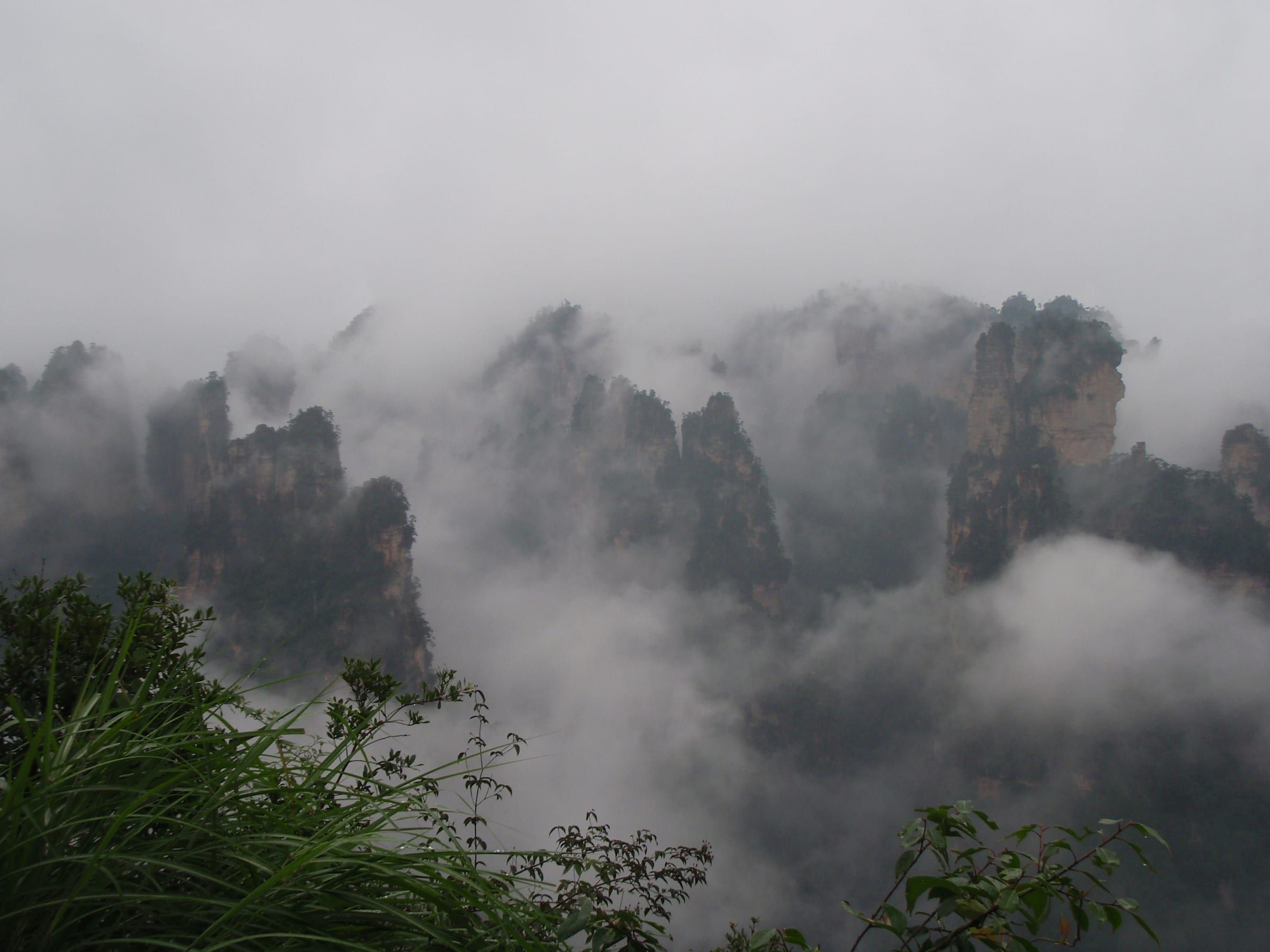
You are most likely to see a sea of clouds in the early morning after rain, when the rain eases or the sky starts to clear. Spring (March–May) and autumn (October–November) are the seasons most often cited. Nobody publishes official statistics on how often it happens, and fog can just as easily block the view completely, so treat a cloud sea as a bonus, not a promise.
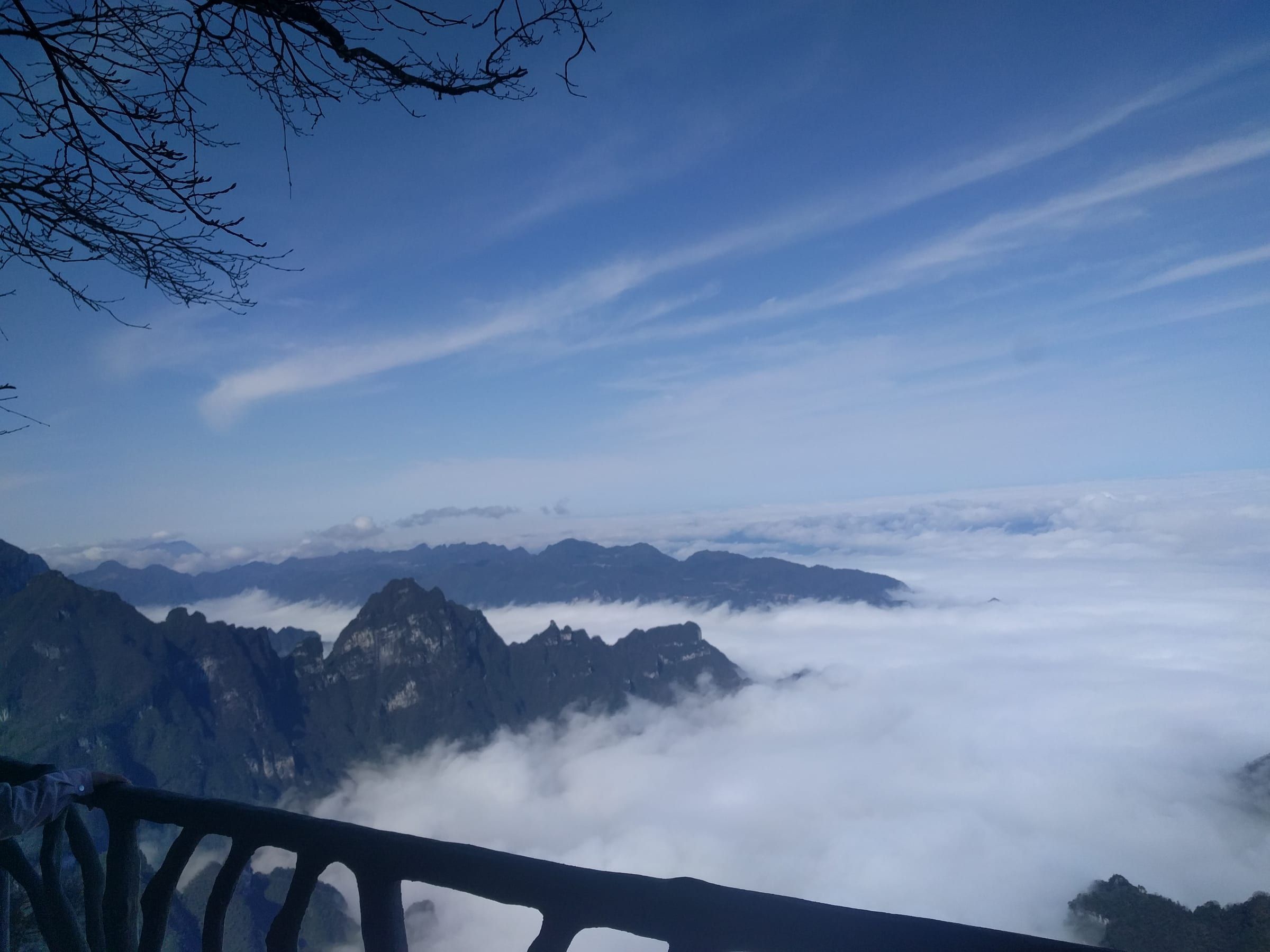
What helps your odds:
- Stay inside or near the park. A hotel in Wulingyuan or on Tianzi Mountain lets you reach a viewpoint early instead of spending the first hour on the road.
- Watch the overnight forecast. Rain overnight followed by a dry morning is the pattern to look for.
- Keep the plan flexible. On a private tour your guide can swap the Tianzi Mountain or Yuanjiajie day with Tianmen Mountain or a cave day once the forecast firms up.
Does anything close in winter?
The main parks stay open all winter. The main parks stay open in winter, but glass skywalks and some exposed sections (e.g., at Tianmen Mountain) can close temporarily when icy. On the Zhangjiajie Grand Canyon, the glass bridge also closes in fog, strong wind and thunderstorms, at any time of year.
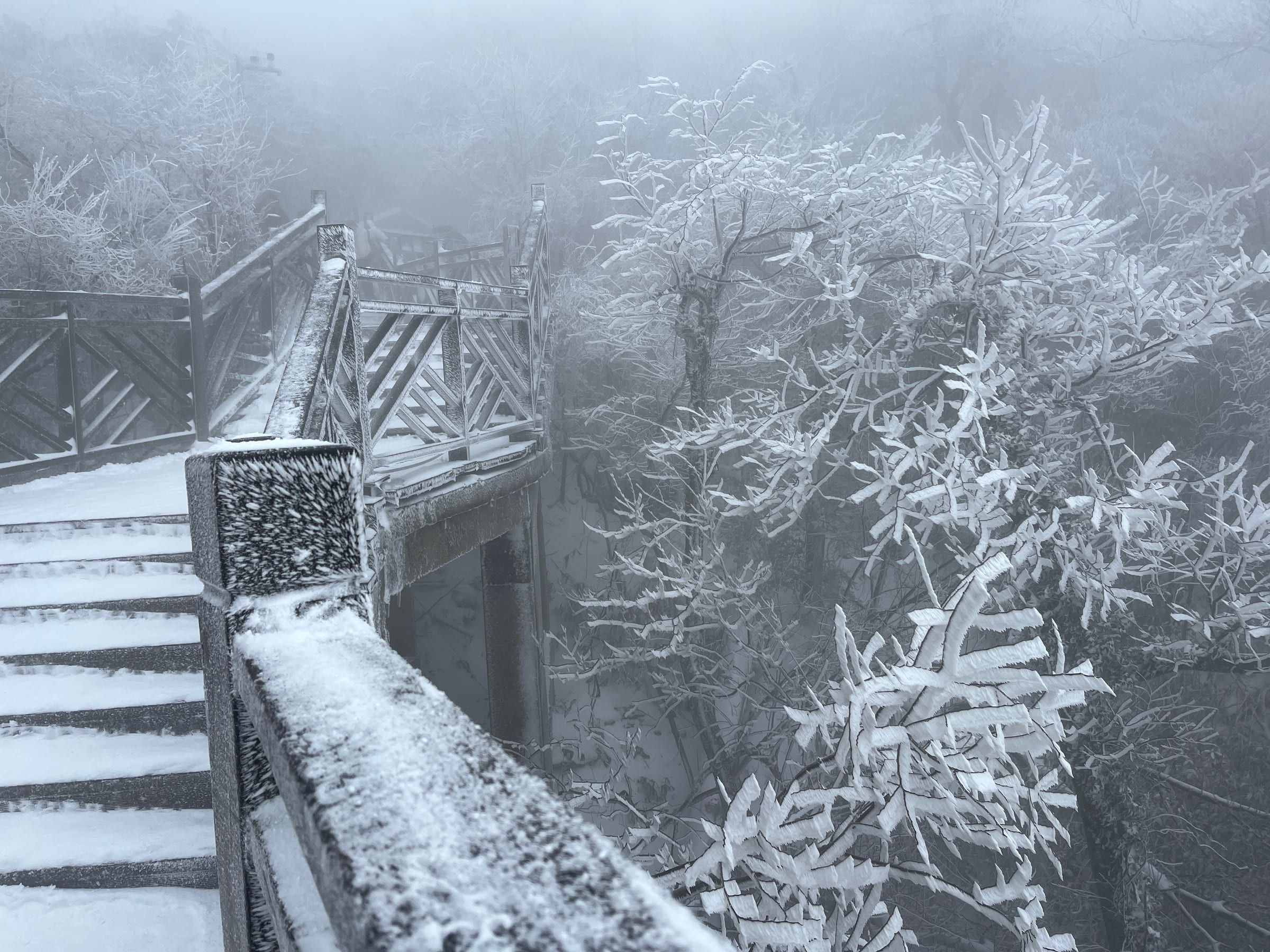
Two winter points that are often misunderstood:
- Tianmen Mountain runs Route C only. Since 13 October 2026 the long cable car from downtown is suspended with no reopening date. You ride the express cable car up and down from the Mountain Gate, with escalators to the summit. This applies in every season, not only winter.
- Prices do not drop. The forest park has charged the same price all year since 1 January 2025, so the old “winter discount” no longer exists.
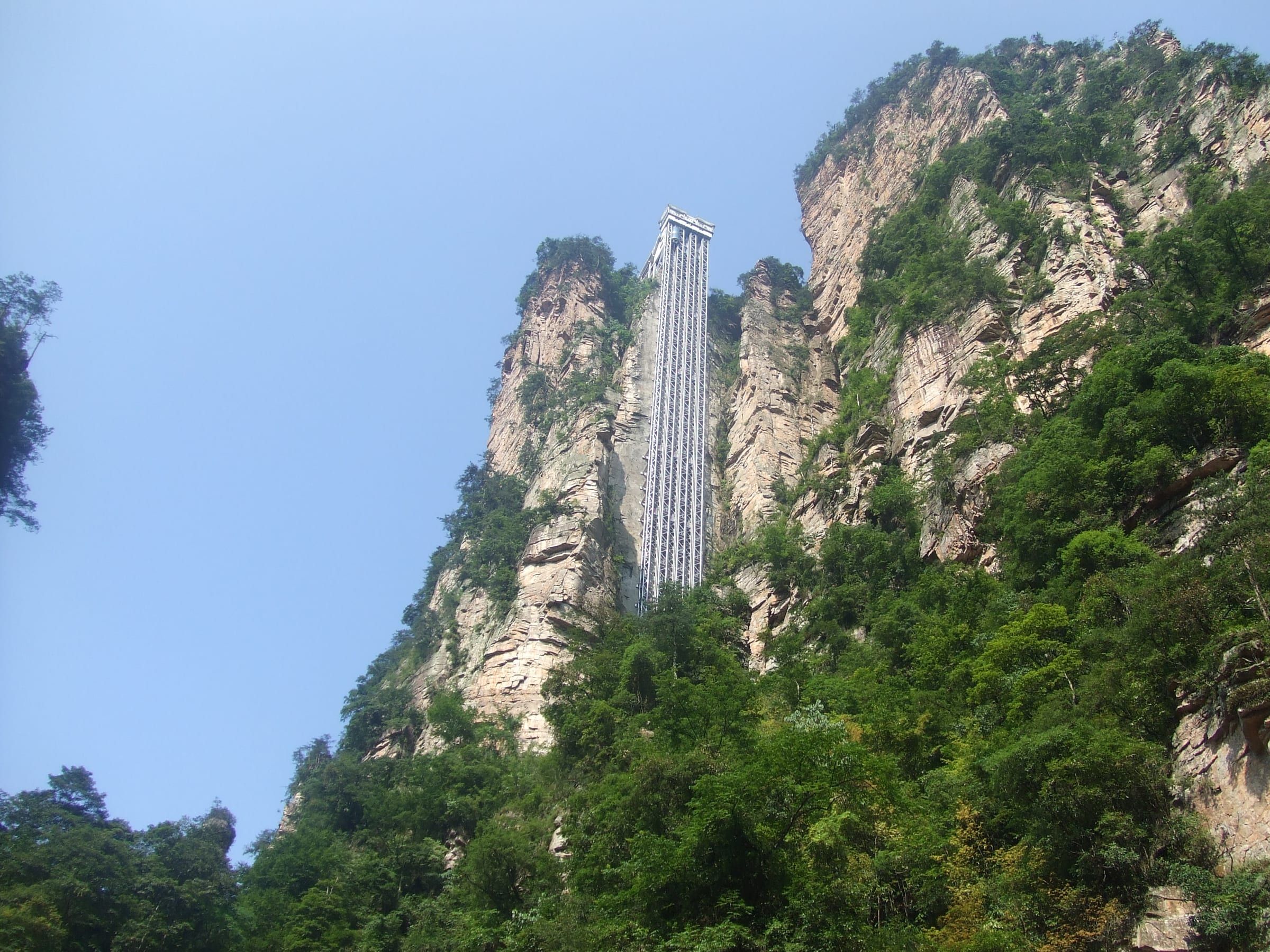
Winter also brings real advantages: much shorter queues for the Bailong Elevator, quieter viewpoints and, in some years, snow on the sandstone pillars.
What if it rains on my dates?
Rain rarely ruins a Zhangjiajie trip, because the parks are most dramatic in mist, and several sights are good in wet weather. What rain does change is the order of your days:
| Weather | Best choice |
|---|---|
| Clear morning after overnight rain | Tianzi Mountain or Yuanjiajie at first light, for the best chance of a cloud sea |
| Light rain, high cloud | Golden Whip Stream under the forest canopy, or Tianmen Mountain on Route C |
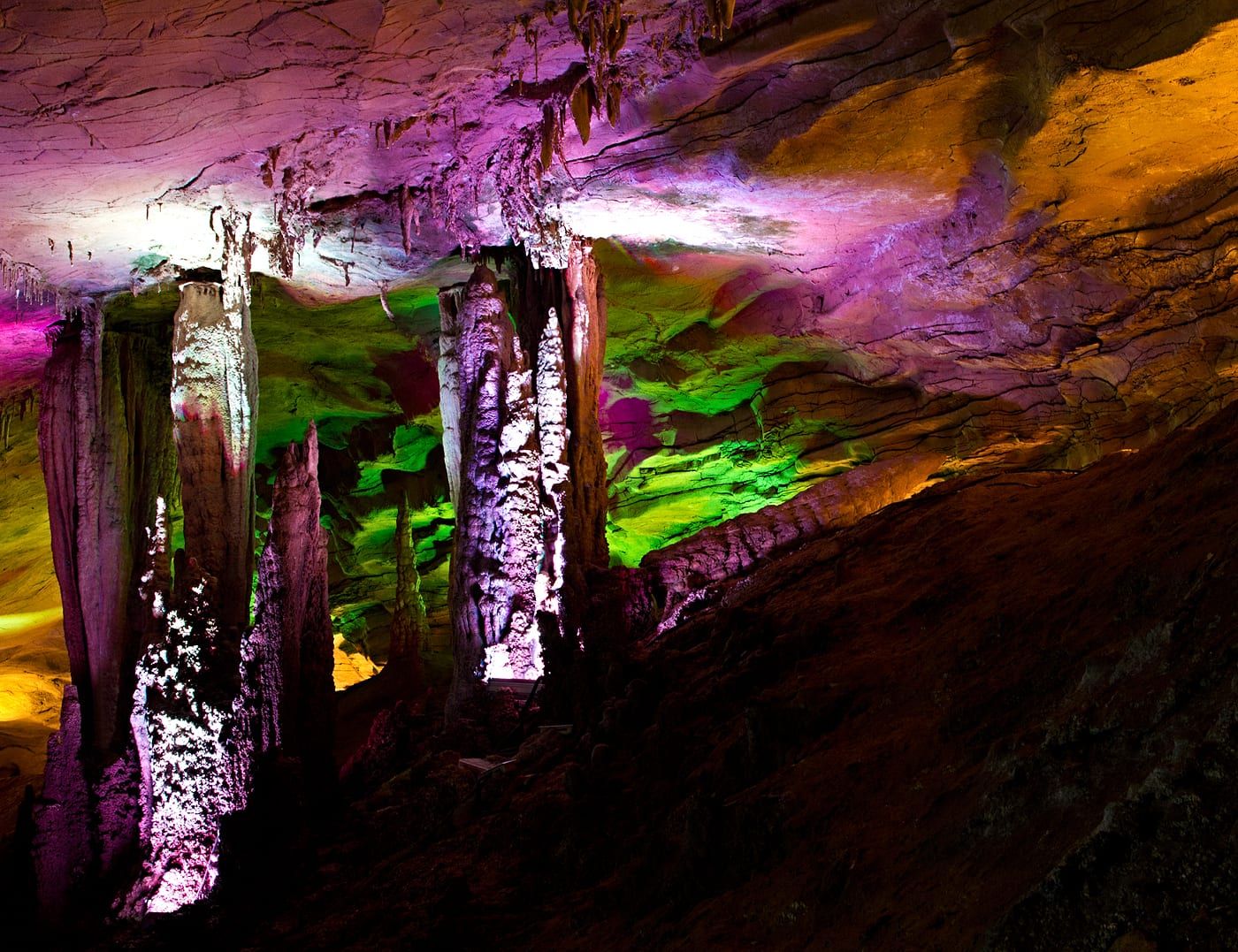
| Heavy rain or thick fog | Yellow Dragon Cave, which is underground, or a Baofeng Lake boat ride |
| Thunderstorms | Avoid the Grand Canyon glass bridge, which closes in storms |
On a private tour, your guide watches the forecast with you each evening and swaps days around it. On a fixed group tour, you take the weather you get.
Local tips for choosing your dates
- Arrive the day after a holiday ends, not the day before it starts. Traffic and queues tend to be worst on the first days of a holiday, so the day after a golden week ends is usually a far better arrival day than the eve of it.
- Book timed entry early around holidays. The forest park has a daily visitor cap and real-name, timed reservations; holiday slots go first. See our ticket guide.
- Pack for two climates. Even in warm months, the plateau and Tianmen summit can feel like a different season from the city. Our packing list breaks it down by season.
- Weekdays beat weekends in every month. Domestic tourists fill weekends even outside holidays, especially in spring and autumn.
Which tour fits which season?
Any of our tours runs all year, and every one is private, so your guide reorders the days around the forecast. For spring and autumn, the 3-day classic tour covers the forest park and Tianmen Mountain at a good pace. Photographers chasing mist should look at the 3-day photography tour. In the heat of July and August, or with young children or grandparents, the family and senior-friendly tour keeps walks short and afternoons free.
Tell us your dates and we will flag any holiday clash before you book. Send us an inquiry.
Frequently asked questions
What is the worst time to visit Zhangjiajie?
Is Zhangjiajie worth visiting in the rain?
Are tickets cheaper in winter?
When are the 2027 Chinese holidays?
Can I see snow in Zhangjiajie?
How many days should I plan for Zhangjiajie?
Sources
- State Council — 2026 public holiday notice (gov.cn) (accessed October 14, 2026)
- State Council — revised national holiday regulation (gov.cn) (accessed October 14, 2026)
- Zhangjiajie climate table, CMA 1991–2020 normals (Wikipedia) (accessed October 14, 2026)
- Wulingyuan Scenic Area — official ticket page (accessed October 14, 2026)
- Travel China Guide — Zhangjiajie weather (accessed October 14, 2026)